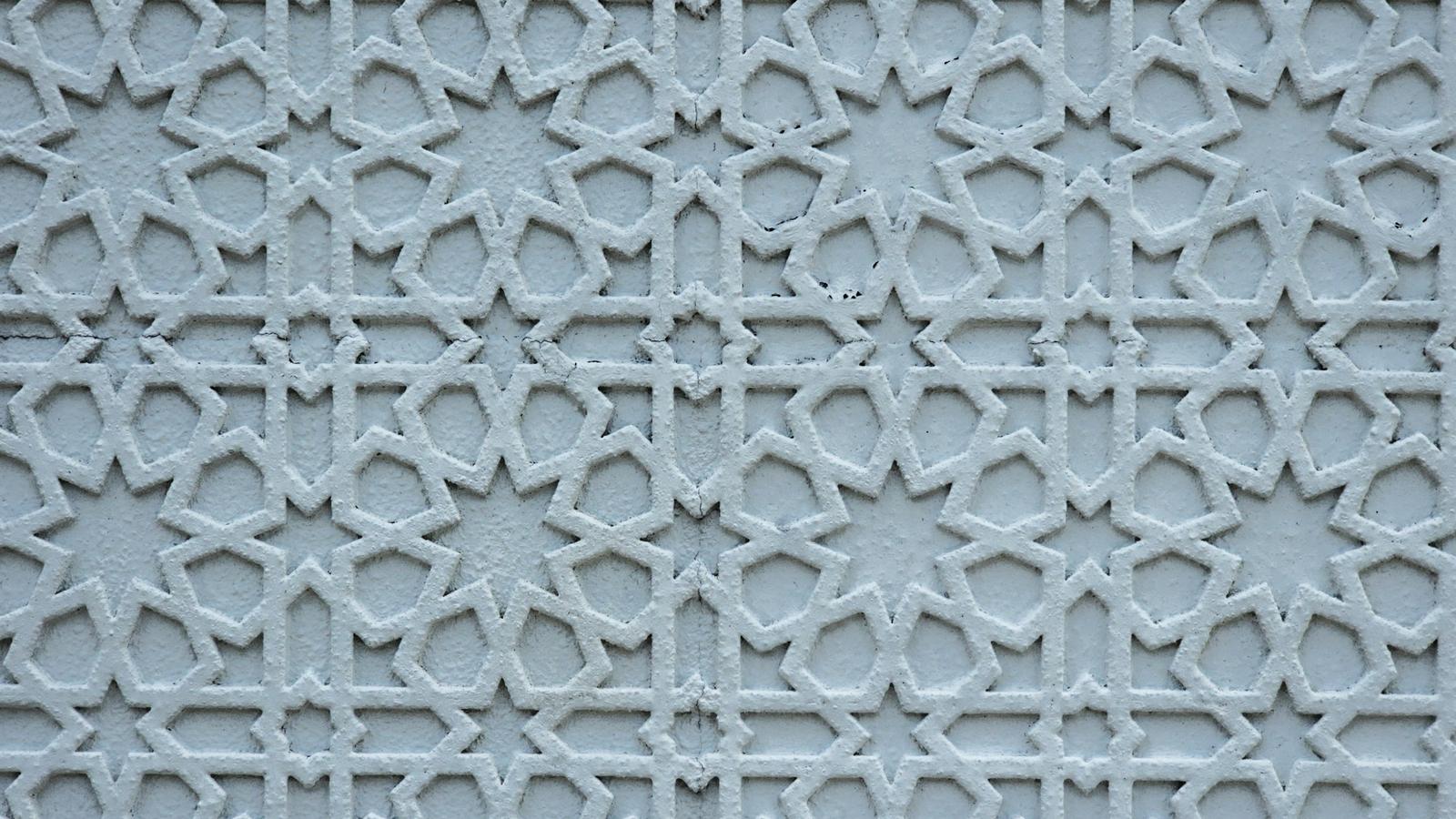
Glass-fibre reinforced concrete (GRC / GFRC) is made of cement, fine sand, water and admixtures, reinforced with alkali-resistant glass fibres (AR glass). It is much lighter than cast concrete or stone and can be moulded to fine detail.
GRC, gypsum or stone?
- Gypsum: for interior work protected from moisture and weather, at lower cost.
- GRC: for external facades and areas exposed to moisture, at far less weight than stone or cast concrete.
- Natural stone: where it is specifically required architecturally, with higher weight and cost and heavier fixing systems.
Production methods
- Spray-up: successive layers of mortar and chopped fibre, giving thin, high-strength pieces suited to facade panels and large elements.
- Premix: fibres are mixed into the mortar, which is then cast and vibrated in the mould; suited to smaller, thicker pieces.
From design to installation
- Shop drawings based on measured site dimensions, setting out the piece layout and joint positions.
- Design of the fixing system (steel frame and stainless-steel anchors) with a structural check, allowing for thermal movement of the pieces.
- Mould making from an approved master model.
- Production and curing under controlled conditions.
- Approval of a first-piece mock-up for colour, texture and dimensions before full production.
- Installation and sealing of joints, then the final coating.
Standards and tests
Reference is usually made to BS EN 1169 for factory production control, the BS EN 1170 series for test methods, and the GRCA specifications. Key tests include fibre content by the wash-out test, flexural strength and density, together with dimensional and visual checks on every batch.
Most common causes of defects
- Cracking from poor curing or low fibre content.
- Fixings that do not allow thermal movement, causing cracks at fixing points.
- Unsealed joints letting water in behind the pieces.
- Colour differences between batches when no reference sample was approved.
A good GRC piece starts with the shop drawing and the fixing system, not the mould.